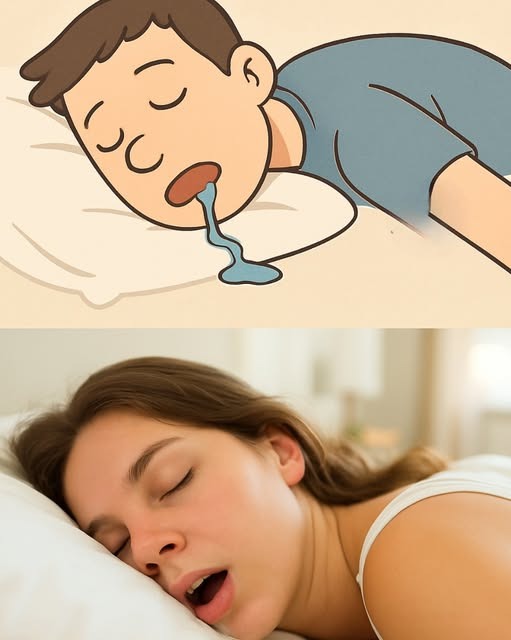
Drooling While Sleeping: What It Means and Why It Happens
Why People Drool During Sleep—and When It Might Mean Something More
Drooling during sleep isn’t the most talked-about topic, but it’s surprisingly common. Many people wake up occasionally to find that saliva escaped while they were resting. In most cases, this is completely normal and simply reflects how the body behaves during deep sleep.
However, understanding why it happens can help you recognize when it’s harmless—and when it may be worth paying closer attention.
Why Drooling Happens During Sleep
When the body enters deeper stages of sleep, muscles throughout the body relax. This includes the muscles that control the jaw, lips, and swallowing reflex.
Because of this relaxation, the mouth may open slightly during sleep. At the same time, the body’s swallowing reflex slows down. When saliva builds up and isn’t swallowed as frequently, it can sometimes flow out of the mouth.
For many people, this occurs only occasionally and is simply part of the body’s natural sleep process.
How Sleeping Position Affects Drooling
Your sleeping position can make a big difference.
People who sleep on their side or stomach are more likely to drool because gravity allows saliva to flow outward more easily. When the head tilts sideways or forward, saliva may leave the mouth without being noticed.
Those who sleep on their back may experience it less often, since saliva tends to remain inside the mouth in that position.
Because everyone has different sleep habits, occasional drooling related to posture is usually nothing to worry about.
Mouth Breathing and Nasal Congestion
Another common cause of nighttime drooling is mouth breathing.
When nasal passages are blocked—due to allergies, colds, or sinus issues—people may breathe through their mouths while sleeping. Keeping the mouth open for long periods allows saliva to collect and escape more easily.
Common reasons for nasal blockage include:
Seasonal allergies
Sinus congestion
Colds or respiratory infections
Structural differences in the nose (such as a deviated septum)
People who breathe through their mouths at night may also notice symptoms like snoring, restless sleep, or waking with a dry mouth.
Digestive Issues That May Play a Role
In some cases, digestive conditions can contribute to excess saliva during sleep.
For example, Gastroesophageal Reflux Disease (GERD) may cause stomach acid to move upward into the esophagus. When this happens, the body sometimes produces extra saliva to help neutralize the irritation.
During sleep, when swallowing slows down, the additional saliva may accumulate and lead to drooling.
People experiencing reflux may also notice:
Heartburn
A sour taste in the mouth
Nighttime coughing
Discomfort when lying down after meals
Adjusting eating habits or sleeping position may sometimes help reduce these symptoms.
Oral Health and Saliva Production
Conditions affecting the mouth can also increase saliva production.
The body naturally produces more saliva when tissues become irritated or inflamed. This can occur with:
Gum irritation
Dental discomfort
Throat irritation
Saliva helps protect and cleanse the mouth, so increased production is often part of the body’s natural defense system. Once the irritation improves, saliva levels typically return to normal.
When Drooling Might Need Attention
While occasional drooling is normal, certain changes may be worth noticing.
Consider monitoring the situation if you experience:
Sudden or frequent drooling that wasn’t present before
Drooling that happens mainly on one side of the mouth
Difficulty swallowing
Persistent sleep disturbances
These changes may simply reflect temporary factors like congestion or sleep posture, but persistent symptoms could benefit from professional evaluation.
Understanding the Body During Sleep
Sleep triggers many changes in the body. Muscle tone decreases, breathing patterns shift, and swallowing slows down. These adjustments allow the body to rest and recover—but they can also create minor effects such as drooling.
Because saliva plays an important role in digestion and oral health, its production continues even while we sleep.
Most of the time, occasional drooling is simply a normal result of these natural processes.
The Bottom Line
Waking up with drool once in a while is usually nothing to worry about. It often happens because of deep sleep, relaxed facial muscles, or sleeping position.
However, staying aware of your sleep habits and noticing any sudden changes can help you better understand your body and overall sleep health.
 Have you ever noticed drooling during sleep or changes in your sleep habits?
Share your thoughts or experiences in the comments and join the conversation about improving sleep health.