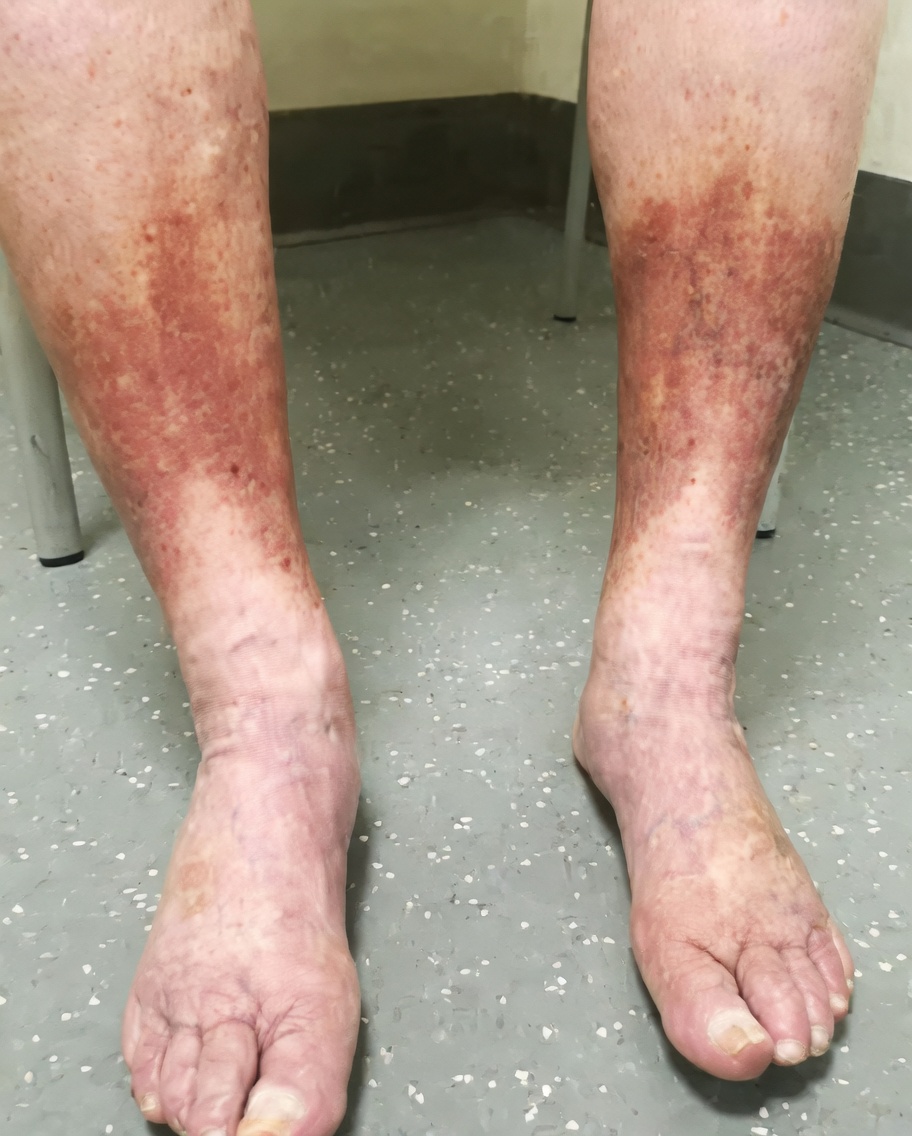
Swollen Feet? Here’s What Could Be Causing It and When to Get Help-
Understanding Swollen Feet: What Your Body Is Telling You
Swollen feet are a common experience after long hours of standing, sitting, or traveling. Most often, they’re caused by edema—a buildup of excess fluid in the tissues, usually settling in the lower extremities due to gravity. While occasional swelling is usually harmless and temporary, persistent or unusual swelling deserves attention.
Common Triggers
Temporary swelling can result from everyday factors: heat, sitting or standing too long, minor injuries, or high salt intake. These causes are usually easy to manage and resolve on their own.
When to Watch Closely
Persistent swelling can indicate more serious issues. Reduced circulation, inflammation, or medication side effects may be at play. More importantly, ongoing swelling can sometimes signal problems with vital organs such as the heart, kidneys, or liver. Swelling that doesn’t improve—or comes with pain, redness, warmth, or unevenness between the feet—should not be ignored. If accompanied by shortness of breath or chest discomfort, seek medical evaluation immediately.
Simple Steps to Ease Swelling
For mild cases, relief can often be found with small lifestyle adjustments. Elevate your feet to reduce fluid buildup, move regularly to boost circulation, limit salt intake, and wear comfortable, supportive shoes to reduce strain. These changes can make a noticeable difference in comfort and recovery.
Listening to Your Body
Swollen feet are more than just an inconvenience—they’re a signal. In many cases, the message is temporary and easy to manage. But persistent or changing swelling is a warning worth taking seriously. Pay attention, take action, and consult a healthcare professional if needed to stay ahead of potential issues.
Have you noticed changes in your feet recently? Share your experience and tips for keeping swelling in check!