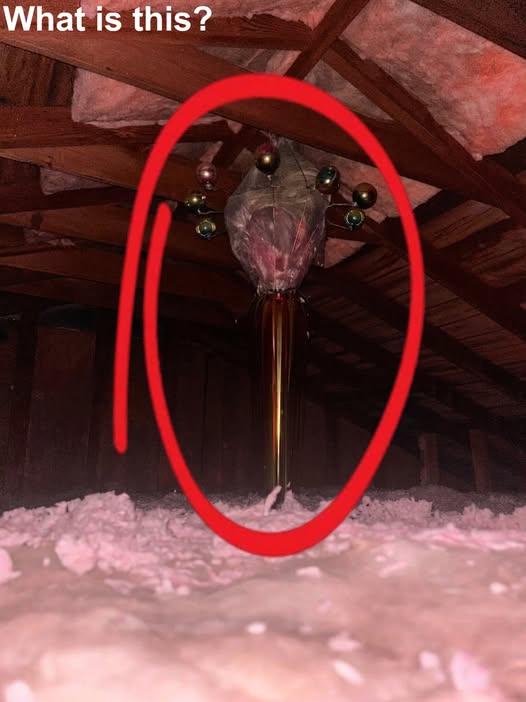
THE CHILLING TRUTH ABOUT WHAT IS HIDING IN YOUR ATTIC AND THE SHOCKING REASON WHY THE UNEXPLAINED OBJECTS IN THE DARK CORNERS OF YOUR HOME ARE NOT WHAT THEY SEEM
The Real Reason “Creepy” Attic Finds Look So Strange (And How to Identify Them Safely)
Few places in a house feel as unsettling as the attic. It’s hot, dim, cramped, and packed with forgotten storage—exactly the kind of environment where everyday items can look like something out of a horror movie. But here’s the truth: most “unexplained objects” in attic corners aren’t mysterious at all. They’re ordinary household items that have been altered by time, heat, moisture, dust, and our own imagination.
If you’ve ever opened the attic hatch, spotted a weird shape in the shadows, and felt your heart jump, you’re not alone. The good news is that with a calm approach (and a few practical home safety steps), you can usually figure out what you’re looking at—and sometimes uncover a surprisingly valuable piece of home history.
Why Attic Storage Makes Normal Items Look “Unrecognizable”
An attic is one of the harshest storage environments in a home. Over the years, extreme temperature swings and humidity changes can transform the look and feel of common materials:
- Wood can warp, crack, or swell, making furniture parts look distorted.
- Plastic can yellow, become brittle, or melt slightly, changing its shape.
- Fabric can collect dust and moisture, taking on a stiff, matted, almost “organic” appearance.
- Cardboard boxes can collapse, rot, and fuse to items underneath them.
That “sinister relic” you think you found is often a broken appliance part, an old holiday decoration, or a disassembled piece of furniture that’s been slowly weathered by attic conditions.
The Brain Trick That Makes Shadows Feel Threatening
Attics don’t just change objects—they change how we interpret them. In low light, the human brain tries to fill in missing details quickly. This is a normal psychological effect called pareidolia: we see faces, figures, or threats in random shapes because our brains are wired to detect danger fast.
In an attic, that can turn:
- a bundle of wires into “snakes,”
- a covered mannequin or dress form into “someone standing there,”
- a dusty stuffed item into “an animal,”
- a broken tool into “some kind of device.”
It’s not that you’re being dramatic—it’s that the attic is the perfect setting for your senses to misread what’s in front of you.
What to Do First: A Safe, Calm Inspection (No Panic Required)
Before you touch anything, slow down. A careful, methodical look solves most attic mysteries quickly—and helps you avoid common hazards.
- Use a bright flashlight or headlamp so you can see edges, textures, and labels.
- Look for manufactured clues like screws, hinges, seams, stitching, or molded plastic markings.
- Change your angle—many “creepy” shapes stop looking creepy when viewed from a different side.
- Wear basic protective gear (gloves and a dust mask) if the area is very dusty or you’re moving old insulation.
In many cases, the moment you get better lighting, you’ll spot a familiar pattern, a brand stamp, or a material that instantly explains what it is.
The “Shocking” Reason Attic Objects Don’t Match What You Think
The most surprising part of attic discoveries isn’t that they’re paranormal—it’s that they’re often from a different era. Homes outlive trends, tools, and technology. What looks bizarre today may have been totally normal decades ago.
Many strange attic finds turn out to be:
- specialty hand tools used for trades that were once common,
- vintage household gadgets replaced by modern appliances,
- old clothing and accessories stored away and forgotten,
- antique hardware from renovations long before you moved in.
Instead of a “hidden secret,” you’re often holding a practical object with a story—something that connects your home to the people who lived there before you.
How to Identify a Mystery Object Without Guessing
If you can’t identify it right away, you don’t have to rely on wild theories. Today, you can solve most “what is this thing?” moments with simple research:
- Search with clear photos from multiple angles (include any markings).
- Use online identification communities that specialize in vintage tools and antique household items.
- Check for numbers or labels that might link to a manufacturer or patent.
What starts as an unsettling discovery often turns into a mini history lesson—and sometimes even a valuable antique find, depending on what it is and its condition.
Turning Fear Into a Win: The Best Part of Solving the “Attic Mystery”
There’s a real sense of relief when you realize the “creature in the corner” is just water-damaged fabric or the “strange machine” is a long-forgotten part of an old appliance. You go from feeling uneasy to feeling in control—and that shift is powerful.
More than that, identifying the unknown transforms your house from a place of scary shadows into something better: a home with layers, history, and stories you can actually understand.
Final Thought: Most Attics Don’t Hide Monsters—They Hide Time
Your attic is essentially an archive. Every dusty box, warped board, and outdated gadget is a reminder that your home has lived through different decades, different owners, and different ways of life. The next time something in the corner looks “not quite right,” remember: a flashlight, a calm mindset, and a closer look usually reveal the truth.
CTA: Have you ever found something strange in your attic or garage? Share what you discovered (or describe it) in the comments—readers love a good mystery, and we can help you figure it out.