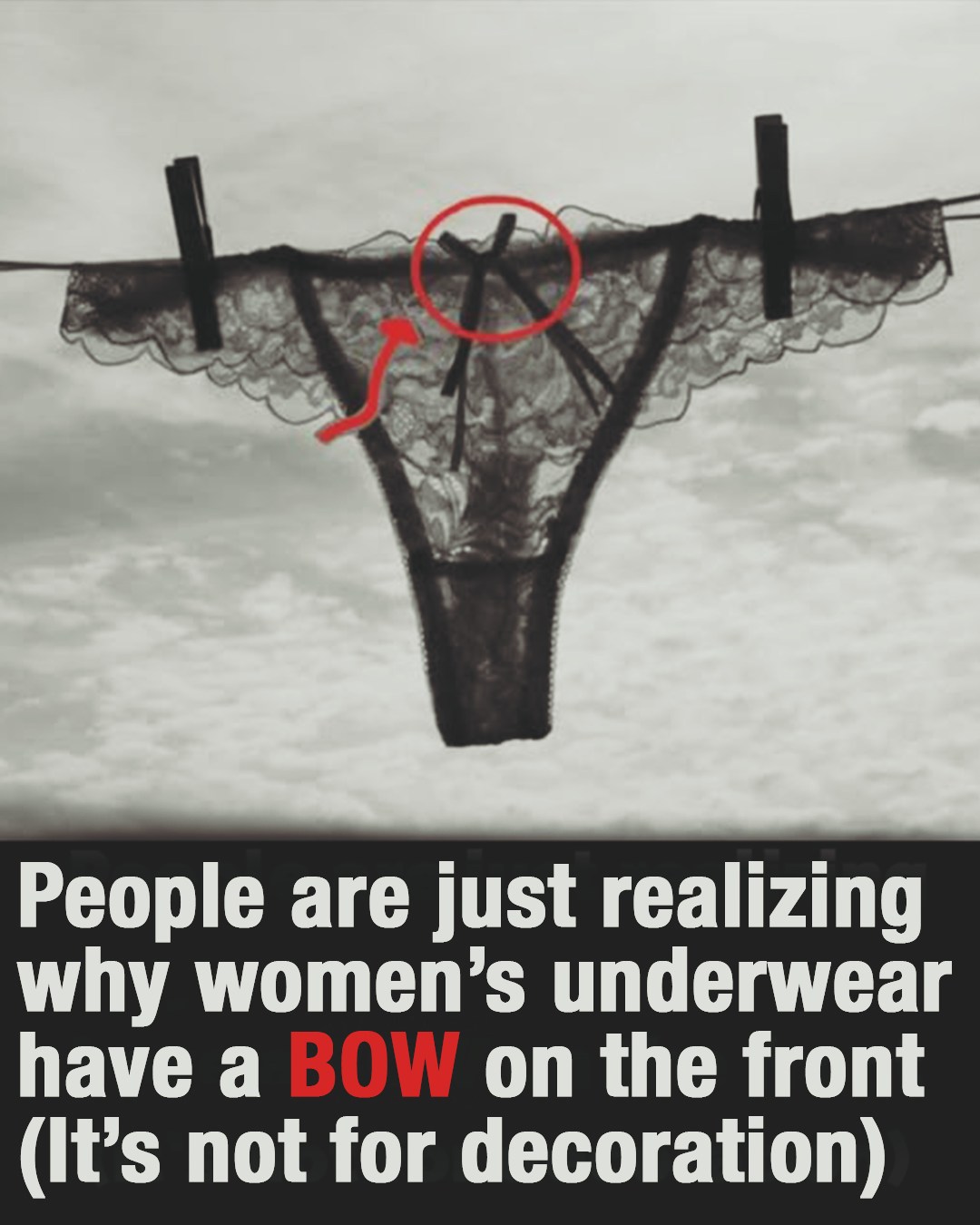
“The Hidden Reason Behind the Bows on Women’s Underwear”
Ever noticed the tiny bow sewn onto the front of women’s underwear and wondered why it’s there? You are not alone. Many people have observed this small detail without realizing its interesting history and purpose.
While the bow might seem purely decorative today, it actually has practical origins. Its existence goes back centuries, to a time before elastic waistbands were common, when underwear was secured differently than it is in modern times.
Today, almost every brand of women’s underwear includes a small bow on the center front of the waistband. It has become a classic design element, quietly combining both aesthetics and historical significance in a subtle way.
Many people overlook this detail, assuming it is simply a cute, feminine touch. Yet some online users have noticed the bow and begun to investigate why it consistently appears on women’s underwear across various styles.
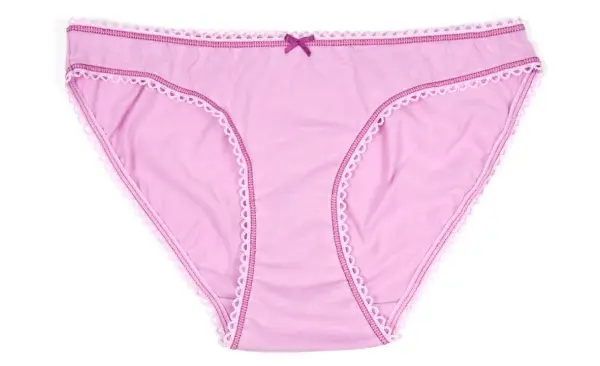
One curious internet user asked the question, “Why do so many panties have that little bow on the center front?” Answers from the community offered practical, historical, and decorative explanations, revealing a layered story behind the design.
A popular response explained that the bow was originally meant to help distinguish the front from the back. Before modern features like fly openings or visible tags, the bow served as a tactile guide for dressing quickly.
Another contributor highlighted the aesthetic role, explaining that the bow evokes innocence, femininity, and a dainty appearance. In addition, it functions as a subtle indicator to help women orient their underwear in low light or dark environments.
The history of the bow dates back to pre-elastic times, when undergarments were held together with ribbon threaded through eyelets at the top. The bow marked the tied end of the ribbon and added a decorative touch.
Some historical accounts describe women’s undergarments, often referred to as “drawers,” as two separate fabric panels held together by a string or ribbon around the waist. Pulling and tying the string created a bow at the front.
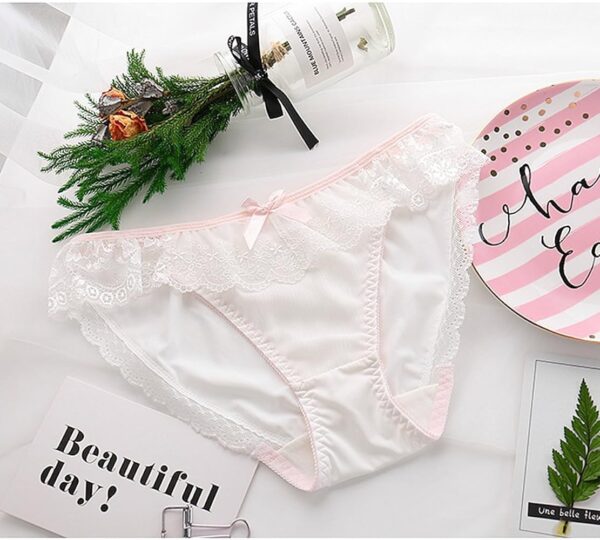
This functional design allowed women to secure their garments while adding a modest decorative element. Over time, even as elastic replaced ribbons, the bow remained, becoming a nod to traditional undergarment construction and historical styles.
Many online readers expressed surprise at the explanation. Some noted the practicality of the bow, stating it helps identify the front in dim light, while others were fascinated to learn about the link to pre-elastic fashion.
Some individuals commented that the bow seems unnecessary in modern underwear, but acknowledged its historical significance and the whimsical charm it adds to a garment. Even when removed, its symbolic meaning remains part of fashion history.
The bow also serves as a design signature, often positioned precisely at the center of the waistband. It draws subtle attention, balancing functionality and aesthetics while reinforcing the classic, feminine identity of the garment.
In early centuries, women relied on candlelight or daylight to dress, often in rooms with limited illumination. The bow helped them identify the front, serving a practical purpose that went beyond mere decoration.
The evolution of underwear design kept the bow as a nod to tradition, even as new fabrics and elastic technologies made functional ribbons unnecessary. Today, it is largely decorative, retaining its historical and aesthetic relevance.
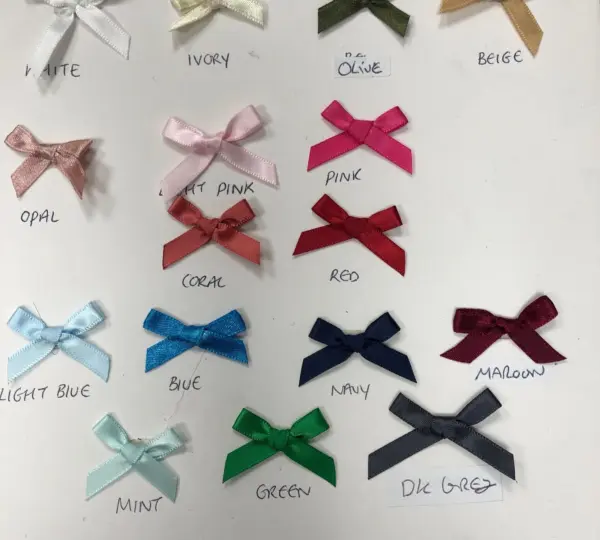
Some modern designers experiment with bows in different sizes, materials, and placements, but the central front position remains the most common, linking contemporary fashion to centuries-old functional practices.
The bow has also influenced lingerie culture, often used in matching sets to enhance visual appeal. Designers appreciate its versatility, allowing subtle ornamentation without compromising comfort or garment structure.
Educational articles and fashion historians note that small details like the bow reflect the continuity of design innovation. They show how garments preserve elements of practicality even after their original purpose becomes obsolete.
Parents, educators, and enthusiasts interested in fashion history often cite the bow as an example of how functionality transforms into tradition. It is a small but meaningful representation of design evolution over hundreds of years.
The continued presence of the bow highlights how undergarments evolved from utilitarian garments to fashion statements. While early iterations focused on securing clothing, modern versions celebrate aesthetics, femininity, and historical legacy simultaneously.

Online forums reveal that some people still remove the bow from underwear, citing comfort or personal preference. Others embrace it as a nostalgic reminder of traditional undergarment construction and stylistic heritage.
In addition to its functional and decorative origins, the bow contributes to consumer perception. A small embellishment like this signals attention to detail, craftsmanship, and a link to fashion tradition that many shoppers appreciate.
Despite appearing minor, the bow exemplifies how small design elements carry significant historical, cultural, and functional meaning. Its endurance across centuries underscores the blend of fashion, practicality, and subtle storytelling in clothing.
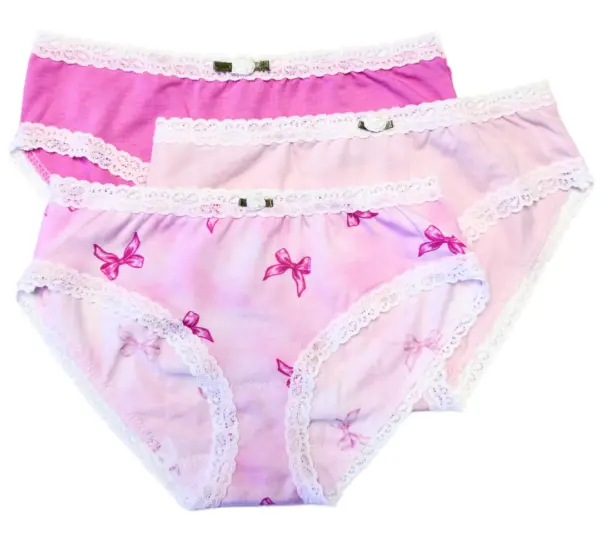
In conclusion, the bow on women’s underwear is not just a whimsical decorative touch. It reflects centuries of garment evolution, balancing practicality with aesthetic appeal, and preserving a subtle historical tradition in modern fashion.
Next time you notice that small bow, remember it represents both functionality and tradition. From helping women orient garments in low light to adding dainty charm, it remains a symbol of thoughtful design and fashion history.
Whether seen as practical, decorative, or symbolic, the bow continues to connect contemporary lingerie with centuries of innovation, subtly reminding us how even minor details in clothing can have fascinating historical roots.