
What Happened to “Lion XIV”?
The Details Behind the Headlines
Pope Leo XIV and Peru: The Remarkable Connection That Began Decades Ago
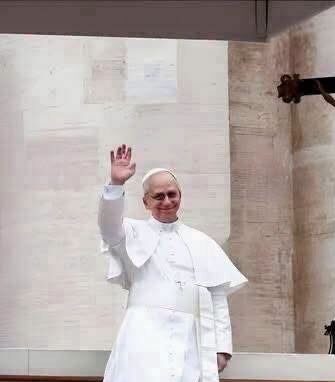
Pope Leo XIV began his pontificate with a solemn and historic Mass in St. Peter’s Square, marking the start of a new chapter for the Catholic Church. During the ceremony, he received two important symbols of the papacy: the pallium, a woolen vestment representing his pastoral responsibility, and the Fisherman’s Ring, which recalls Saint Peter’s mission and the Pope’s role as a successor to the apostle.
As his leadership begins, Catholics around the world are watching closely to see what direction he will take. Many are curious about whether he will continue aspects of Pope Francis’s approach, particularly his emphasis on compassion, inclusion, and reaching younger generations. For now, the full shape of Leo XIV’s pontificate will become clearer with time.
His election has also drawn international attention for another reason: he is the first pope born in the United States and the second pope from the Americas. Although Leo XIV was born in Chicago, his connection to Latin America runs much deeper than his birthplace might suggest.
In his first public remarks as pope, he greeted the faithful in Spanish and expressed particular affection for the people of Chiclayo, Peru, a community where he spent several important years of his life. The message offered an early glimpse into a personal connection that has helped shape his journey within the Church.
Leo XIV’s relationship with Peru dates back decades. His first visit to the country came in 1985, beginning a connection that would later become a significant part of his religious service. Over the years, he returned to Peru and served in several roles, building relationships with local communities and gaining experience that would influence his life as a church leader.
That history makes his election especially meaningful to many Peruvians, who have followed his rise with a sense of pride and familiarity. For them, the new pope is not simply a leader born overseas; he is also someone who spent a substantial part of his life serving their communities.
But one detail has attracted particular curiosity. Leo XIV has spoken about experiences in Peru that, in retrospect, seem connected to the extraordinary path that eventually led him to the Vatican. He has even referred to the idea that his arrival there had been anticipated more than 26 years earlier.
What did he mean by that statement? Was it a reference to a prediction, a conversation, or an experience from his years in Peru?
The answer lies in the story of his earlier life—and in the people and moments that helped shape his path long before he became pope.