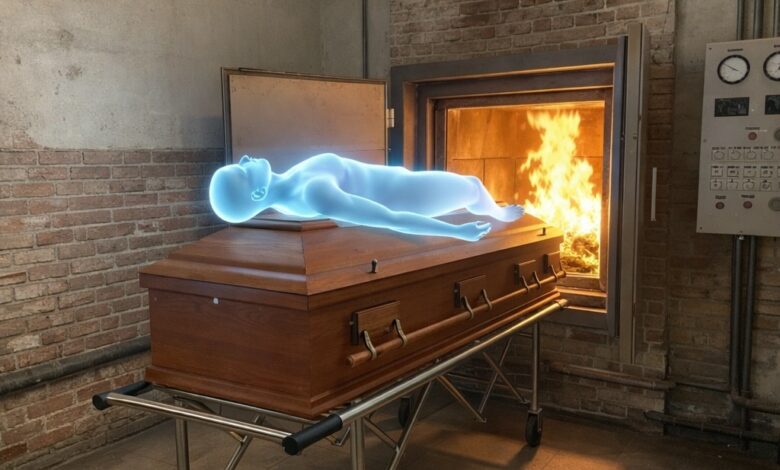
What the Bible Really Says About Cremation — You Might Be Surprised
A Changing Approach to End-of-Life Traditions
In recent years, end-of-life practices across the Western world have evolved significantly. Cremation, once considered uncommon, is now widely chosen for practical reasons such as cost, space limitations, and environmental concerns. For many families, it represents a respectful and modern alternative to traditional burial. Yet within Christian communities, this shift continues to raise meaningful questions that go far beyond logistics.
Faith, Tradition, and a Deeper Question
For believers grounded in scripture, the decision between burial and cremation often carries spiritual weight. The key concern isn’t simply preference—it’s whether cremation aligns with biblical teaching. Interestingly, the Bible does not provide a direct command either for or against cremation. Instead, the discussion is shaped by tradition, symbolism, and interpretation.
Why Burial Has Been the Historical Norm
Throughout biblical history, burial was the standard practice. Influential figures were laid to rest with care, and proper burial was seen as an act of honor. This reflected a deeper belief: the body was not viewed as disposable, but as part of a person’s identity, created with purpose and value.
In the New Testament, the burial of Jesus became a powerful example. For generations, Christians have viewed burial as a symbolic act—comparing it to planting a seed in anticipation of resurrection. This imagery has helped shape centuries of tradition.
What Scripture Does—and Doesn’t—Say
While burial is clearly the dominant pattern in scripture, there is no explicit statement that forbids cremation. This absence has led many modern theologians to conclude that the choice falls within personal conviction rather than strict doctrine. In other words, it is not seen as something that determines one’s relationship with God.
Addressing Common Concerns
Some believers express concern that cremation may show a lack of respect for the body. Others wonder whether it could conflict with the belief in resurrection. However, many scholars emphasize that faith in resurrection is rooted in God’s power—not in the physical condition of human remains. Whether a body returns to the earth naturally or through cremation, the core belief remains unchanged.
Cultural Shifts and Modern Perspectives
Historically, cremation was sometimes linked to beliefs that differed from Christian teachings, which contributed to early hesitation. Today, however, motivations are largely practical rather than theological. Families often choose cremation for simplicity, affordability, or personal preference—not as a statement against faith.
A Matter of Personal Conviction
Across many Christian denominations, there is growing agreement that cremation does not impact salvation or the promise of eternal life. The focus of faith remains on spiritual renewal rather than physical preservation. As a result, the decision is increasingly seen as a personal and family choice guided by values, beliefs, and circumstances.
Keeping the Focus on What Matters Most
Ultimately, Christianity centers on hope beyond death. Whether one chooses burial or cremation, that hope remains unchanged. The emphasis is not on the method, but on the promise of new life and restoration.
Join the Conversation
What are your thoughts on this topic? Share your perspective or experience in the comments—your voice could help others navigate this important decision.