What You Should Know Before Using Second-Hand Items
Corns and Calluses on Feet: What They Are and Why They Form
If you’ve ever noticed thick, rough patches of skin on your toes or feet, you’re likely dealing with corns or calluses. These are very common skin changes that usually develop due to repeated pressure or friction. While they can be uncomfortable, they are typically not dangerous.
What Causes Corns and Calluses
Corns and calluses often form when the skin tries to protect itself from constant rubbing or pressure. One of the most common causes is wearing shoes that don’t fit properly—whether they are too tight, too loose, or high-heeled.
Second-hand shoes can also increase the risk. Since they’ve already been shaped by someone else’s feet, they may create uneven pressure points that don’t match your natural foot structure. Over time, this can lead to irritation and thickened skin in specific areas.
How the Skin Responds
When friction continues, the skin naturally thickens as a defense mechanism. This creates a hard, raised area made up of layers of dead skin cells (keratin).
Hard corns often appear on the tops or sides of toes and may have a central core. This can cause discomfort, sometimes feeling like a small stone pressing against the skin when you walk.
Other Possible Foot Issues
In some cases, other conditions can be mistaken for corns or calluses:
Blisters
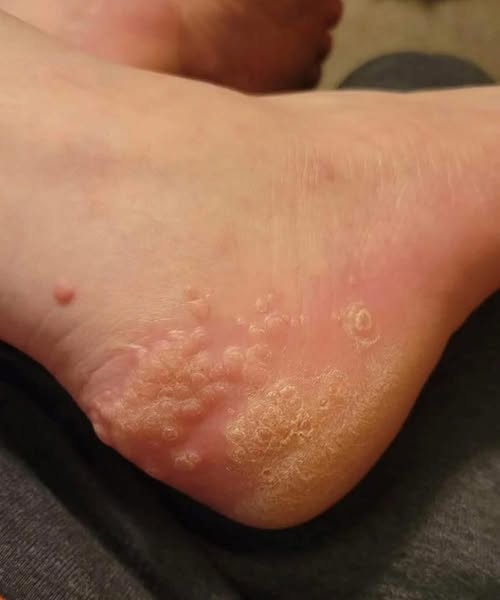
Repeated rubbing may first cause fluid-filled blisters. If irritated or infected, these may appear yellow and become painful.
Fungal infections
Wearing previously used shoes can sometimes expose the feet to fungi. Conditions like athlete’s foot or nail infections may develop, often showing symptoms such as itching, redness, peeling skin, or changes in nail color.
Why Used Shoes Increase Risk
Second-hand shoes can be problematic because they have already adapted to another person’s foot shape. This can lead to uneven pressure and friction on your own feet.
In addition, used shoes may carry bacteria, sweat, or fungi if not properly cleaned, increasing the chance of irritation or infection.
Simple Ways to Treat Corns and Calluses
Switch footwear
Choose comfortable shoes with a wide toe area, good cushioning, and proper support. Avoid footwear that creates pressure points.
Soften and exfoliate
Soak your feet in warm water for 10–20 minutes, then gently use a pumice stone or foot file to remove dead skin. Avoid cutting the skin directly.
Reduce pressure
Use protective padding such as corn pads, gel sleeves, or moleskin to reduce friction on affected areas.
Moisturize regularly
Creams containing urea can help soften thickened skin and keep feet healthy.
Over-the-counter options
Salicylic acid treatments may gradually help break down hardened skin when used carefully.
When to Seek Medical Help
If you notice increasing pain, redness, swelling, pus, or no improvement after a couple of weeks, it’s important to see a podiatrist. They can safely treat the condition and check for underlying issues such as bone alignment problems or bunions.
Final Thoughts
Corns and calluses are common and usually manageable with proper care and footwear choices. Paying attention to early signs can help prevent discomfort and keep your feet healthy.
Call to Action
Have you ever dealt with corns or calluses before? Share your experience and tips with others to help keep feet healthy and pain-free.